Anime art styles
Checked and updated on October 22, 2026.
There's no official list of anime art styles. People name them in four different ways: by era (80s, 90s, modern), by who the show is for (shonen, shojo, seinen), by how it was made (hand-painted cels, digital, 3D) and by studio. The names below are the ones you'll see most, with what to look for and where you've seen each one.
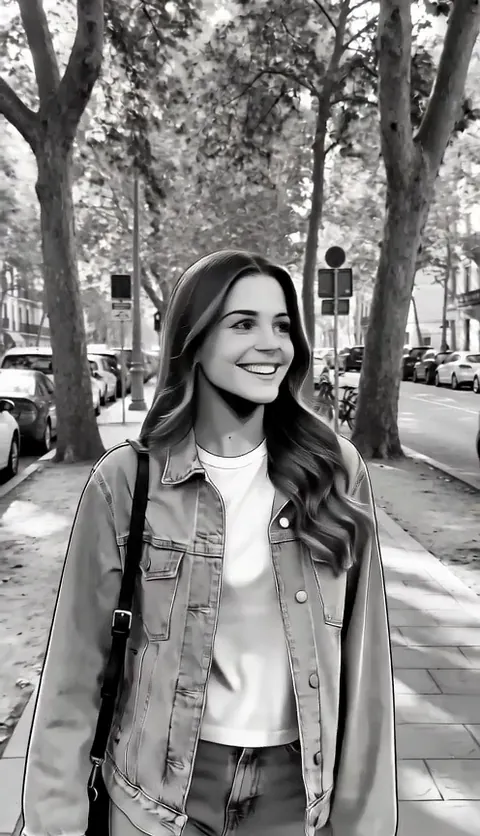
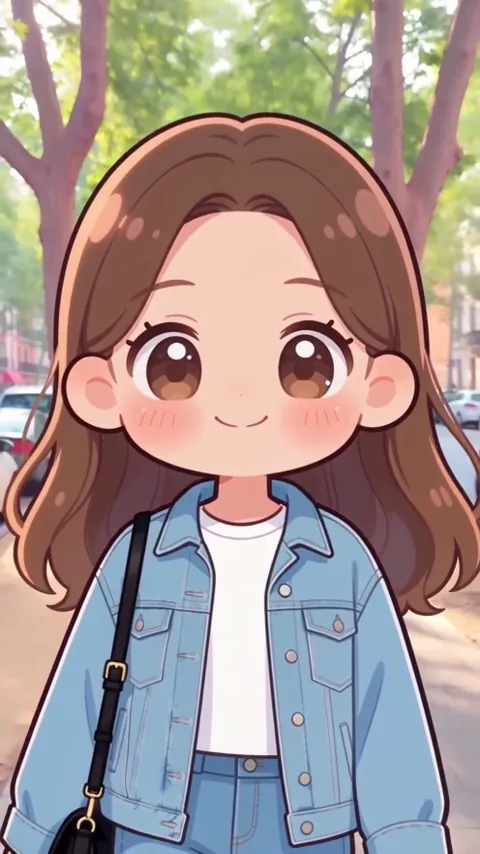
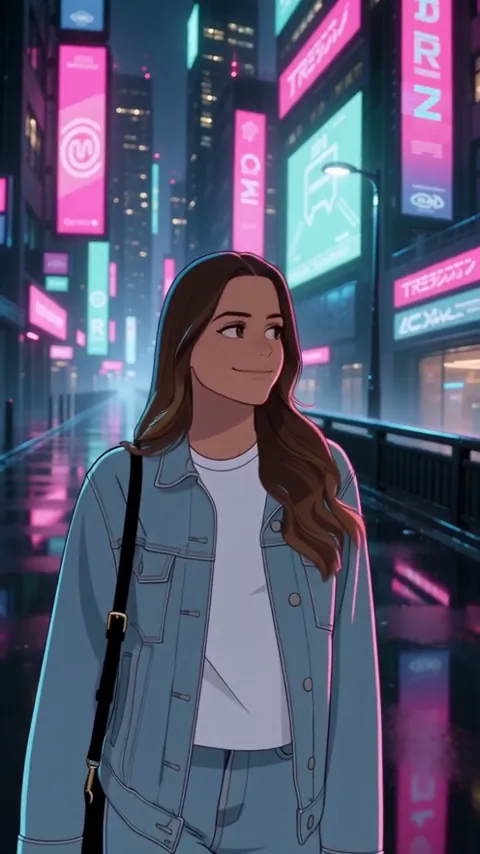
First, the same frame of one video clip, redrawn in six of them. It's the easiest way to see what actually changes from style to style.
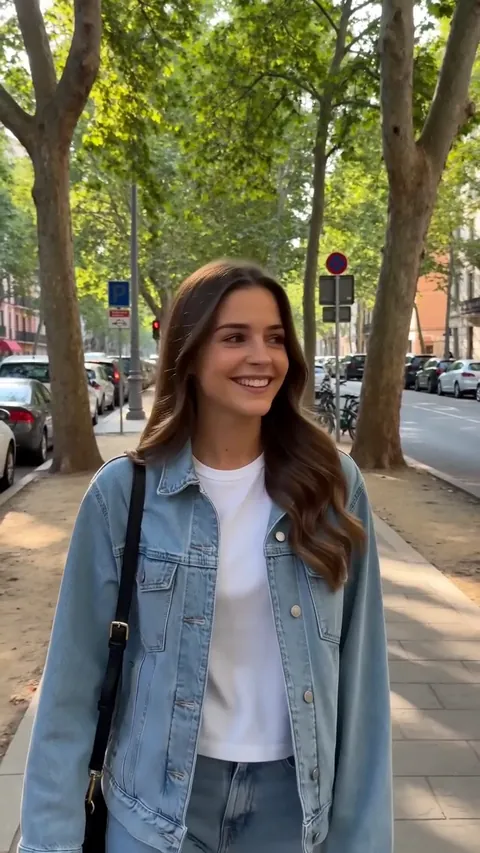
Original
The real clip every style below starts from.
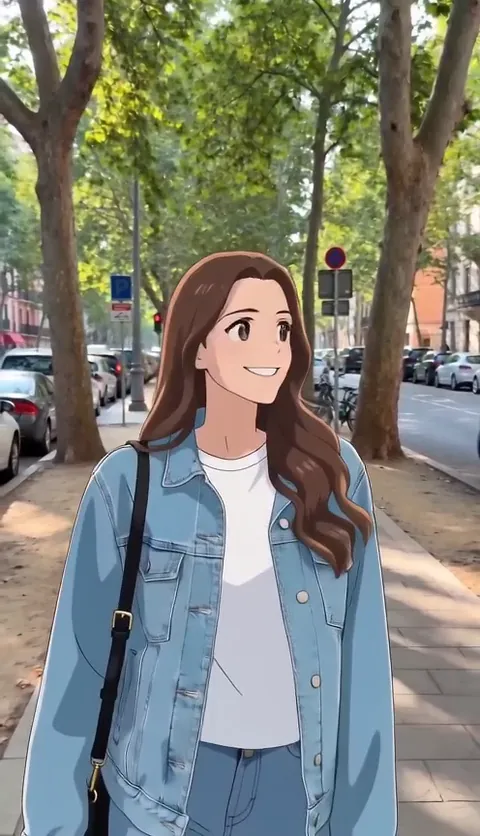
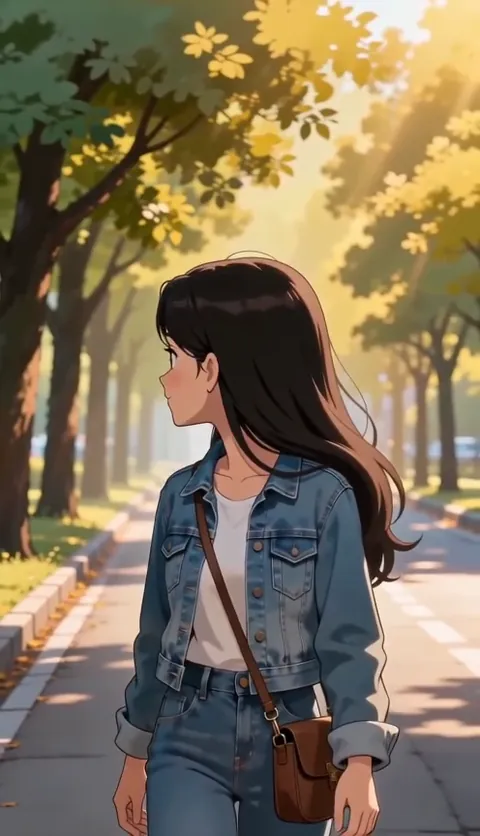
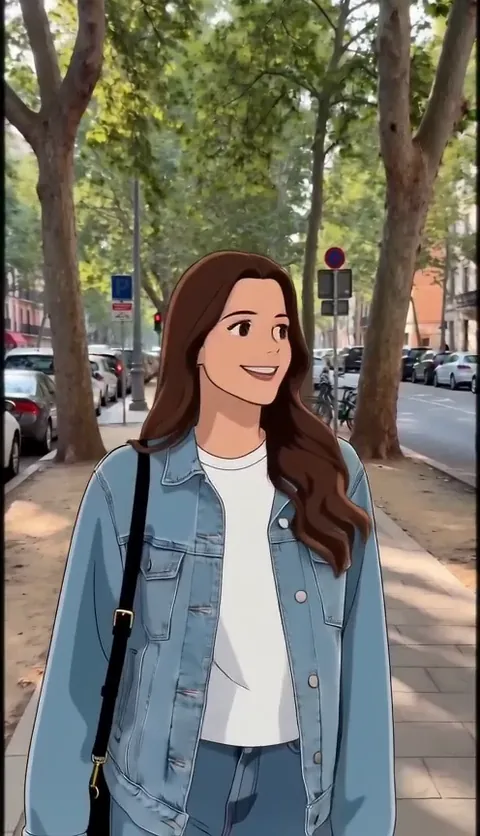
Styles by era
80s anime. Big hair, sharp angular faces, a lot of hand-drawn detail and dark, heavy shading. Akira (1988) is the one everyone points to. Everything was painted on cels by hand, so the detail cost real time.
90s anime. Still hand-painted cels: thicker outlines, slightly faded colors and visible film grain. Eyes got bigger and rounder. Think Sailor Moon, Neon Genesis Evangelion, Cowboy Bebop. This is the look most "retro anime" filters and edits go for.
Modern digital anime. Since the early 2000s almost everything is drawn and colored on computers. Lines are thin and even, colors are flat with one or two shadow tones, and glow, blur and lens effects are added on top. Most of what airs each season looks like this. The last big holdout, Sazae-san, switched from cels to digital in 2013.
Styles by audience
These names come from the magazines the manga first ran in, but they describe a look as much as a story.
Shonen (made for teen boys). Action poses, spiky hair, bold lines, speed lines and big impact frames. Dragon Ball, Naruto, My Hero Academia.
Shojo (made for teen girls). Huge sparkling eyes, long thin limbs, soft colors, and flowers or sparkles in the background when feelings run high. Fruits Basket, Ouran High School Host Club.
Seinen (made for adult men). More realistic faces and bodies, smaller eyes, more detail and darker color. Monster, Ghost in the Shell, Vinland Saga.
Moe. Round faces, very big eyes, small noses and mouths, everything designed to look cute. K-On! is the classic example.
Styles by technique
Chibi (super-deformed). Characters shrunk to two or three heads tall, with huge eyes and tiny bodies. Shows use it for jokes and side stories; fans use it for stickers and icons.
Manga ink. Black and white only, with screentone dots for gray. It's how the comics look before anyone adds color, and some anime use it for flashbacks.
Painted feature film. Backgrounds painted like illustrations, natural light, more frames of animation and softer, rounder faces. Studio Ghibli is the name people use for it. Makoto Shinkai films push the light further: glowing skies, lens flare, rain and city reflections that look almost photographed.
Cyberpunk. Night cities, neon signs, chrome and rain. Akira and Ghost in the Shell set the look; Cyberpunk: Edgerunners (2022) brought it back with flat, very saturated color.
3D cel-shaded. 3D models rendered to look flat and drawn, often played at a lower frame rate so the motion feels hand-made. Land of the Lustrous and Beastars are good examples of it done well.
Anime art style names at a glance
The names answer different questions, so one show can fit several of them.
| Name | What it describes | | --- | --- | | 80s, 90s, modern digital | The era and how it was made | | Shonen, shojo, seinen, moe | Who it's aimed at, and the face and eye look that goes with it | | Chibi, manga ink, cel-shaded 3D | The drawing technique | | Painted feature film, cyberpunk | The mood and world of the picture |
How to tell them apart
Look at four things:
- The eyes. Size, how many highlights, how much color is in the iris. This alone tells you shojo from seinen.
- The lines. Thin and even (modern digital), thicker and a bit wobbly (90s cels), or none, with shapes made of color (some painted films).
- The shading. One flat shadow tone is TV anime. Two or three tones, or soft gradients, is film or a high-budget show.
- The background. Flat and simple behind busy characters, or painted with as much detail as the people.
Try them on your own clip
Every style in the gallery above is one click in our converter. Upload a video, pick a style and you see your first frame redrawn for free before you pay anything. Each style also has its own page: hand-painted film anime, 90s anime, manga and chibi.
It gives you the general look of a style, not a copy of any one show or studio, and no famous characters show up.
Turn your video into animeQuestions
- What is the most common anime art style?
- Modern TV anime: clean thin outlines, flat colors with one or two shadow tones, and big eyes with bright highlights. Most seasonal shows look like this, because it's fast to draw and easy to keep on model across a whole series.
- How many anime art styles are there?
- There's no official count. People sort anime by era (80s, 90s, modern), by audience (shonen, shojo, seinen), by technique (hand-painted cels, digital, 3D cel-shaded) and by studio. Most guides end up with 10 to 15 names.
- How do I tell anime art styles apart?
- Mostly the eyes, the lines and the shading. Shojo has huge sparkling eyes and thin limbs, seinen has smaller eyes and realistic proportions, 90s anime has thicker outlines and faded colors, and chibi shrinks the body to two or three heads tall.
- Can I turn my own video into one of these styles?
- Yes. Upload a clip and pick Japanese TV anime, hand-painted film anime, 90s retro, manga, chibi or cyberpunk anime. You see your first frame free before you pay. It gives you the general look, not a copy of any one show.